The Blackboard Home

Category

Classroom Management

7 articles

Carrying Yesterday Into Today: How to Break Free From the Cluttered Board Cycle

Carrying Yesterday Into Today: How to Break Free From the Cluttered Board Cycle

Many teachers begin each lesson not with a clean slate, but with the residue of the one before it — a tangle of half-erased notes, stray diagrams, and forgotten vocabulary that quietly competes for student attention. Understanding why this pattern persists, and what it costs learners, is the first step toward reclaiming your board as a deliberate instructional tool. This article offers both the psychological framing and the practical systems teachers need to start every lesson with purposeful cl
Teaching to a Moving Target: Practical Systems for Classrooms Fractured by Chronic Absenteeism

Teaching to a Moving Target: Practical Systems for Classrooms Fractured by Chronic Absenteeism

Chronic absenteeism is one of the most persistent and least discussed challenges in American classrooms today, quietly disrupting the instructional arc that teachers build lesson by lesson on the board. When a significant portion of the class is missing on any given day, the question is not simply what to reteach — it is how to design a classroom that can hold its shape even as its population shifts. This article offers concrete, sustainable systems for doing exactly that.

Beyond the Spreadsheet: How Smart Teachers Combine Data and Instinct to Reach Every Student

Beyond the Spreadsheet: How Smart Teachers Combine Data and Instinct to Reach Every Student

Assessment dashboards and student performance metrics have become fixtures of modern American classrooms, yet experienced teachers often describe a nagging disconnect between what the numbers say and what they observe every day. This article explores how educator intuition and quantitative data are not competing forces, but complementary tools — and offers a practical framework for bringing them into productive alignment.

What the Grade Book Is Really Grading: Rethinking How Assessment Shapes Student Identity

What the Grade Book Is Really Grading: Rethinking How Assessment Shapes Student Identity

Every grading system sends a message — not just about academic performance, but about intelligence, failure, and the nature of learning itself. The philosophy embedded in a teacher's grade book can either reinforce fixed beliefs about ability or cultivate the resilience students need to grow. This piece examines what the research and the educators on the front lines have to say about assessment done differently.

Room to Learn: How the Physical Environment of Your Classroom Quietly Shapes Every Student in It

Room to Learn: How the Physical Environment of Your Classroom Quietly Shapes Every Student in It

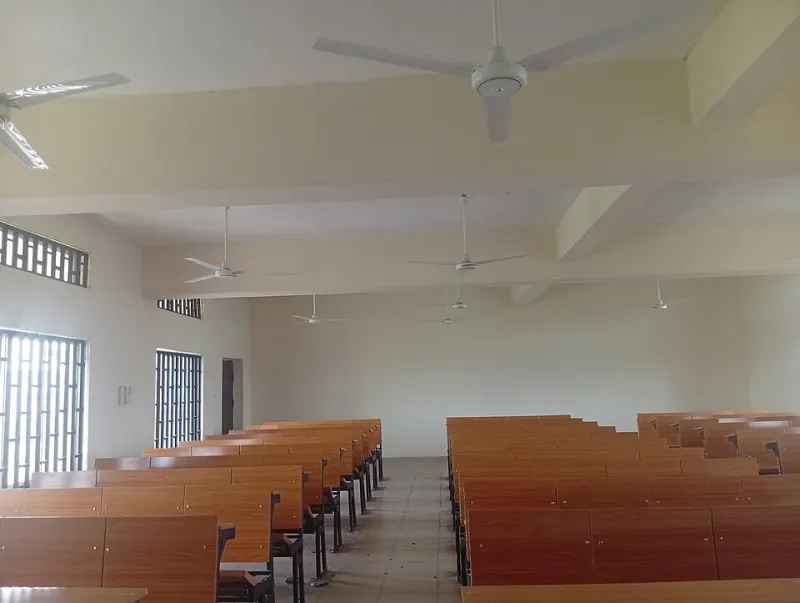
The arrangement of desks, the warmth of lighting, and even the color on your walls are doing more instructional work than most teachers realize. Environmental psychology research reveals that the spaces we teach in are not neutral — they actively influence attention, anxiety, and academic outcomes. This guide offers practical, research-backed strategies for redesigning your classroom environment, even within the constraints of a standard school building.

From Day One to Done: 7 Evidence-Based Systems That Build Classroom Order Without Raising Your Voice

From Day One to Done: 7 Evidence-Based Systems That Build Classroom Order Without Raising Your Voice

Establishing authority in a classroom does not require volume, intimidation, or an exhausting daily battle of wills. Drawing on behavioral science, practitioner experience, and decades of educational research, these seven structured management systems help teachers build environments where students know what is expected, respect is mutual, and learning can actually take place. Each strategy is adaptable across grade levels and designed to be implemented from the very first day of school.